
Hair loss is a concern many individuals face, especially as they age. Whether it’s due to genetics, lifestyle, or medical conditions, thinning hair or baldness can have a profound impact on one’s self-esteem. Fortunately, advancements in hair restoration techniques have made it easier to regain a fuller, more youthful appearance. One of the most popular and effective solutions is hair transplant surgery.
In this comprehensive guide, we will explore everything you need to know about hair transplants, including the different techniques available, costs, benefits, recovery process, and aftercare. Whether you’re considering a hair transplant in Dubai or anywhere else, this guide will help you understand the entire process and make an informed decision.
What is a Hair Transplant?
A hair transplant is a surgical procedure where hair follicles are moved from one area of the body, typically the back or sides of the head (known as the donor area), to areas with thinning or no hair . This procedure is commonly used to treat male pattern baldness, thinning hair, and can also be used to help men achieve fuller facial hair through beard transplants.
Over time, the procedure has advanced with two widely used techniques: Follicular Unit Extraction (FUE) and Direct Hair Implantation (DHI), both of which provide natural-looking, long-lasting results.
The Different Types of Hair Transplant Techniques
FUE Hair Transplant:
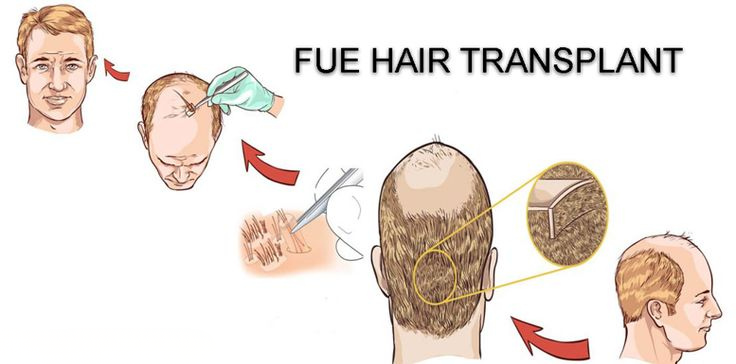
FUE hair transplant works by taking individual hair follicles from a donor area. These follicles are then moved one at a time to the areas where you need more hair. This approach is gentle. It leaves only small scars that heal quickly. It is a good choice if you want natural-looking results. The recovery time is short.
FUE hair transplants are very popular in Dubai, where top clinics such as Larosh Medical Clinic use advanced technology to achieve great results. Whether you want full hair restoration or a beard transplant in Dubai, FUE is a good option for many people.
DHI Hair Transplant:
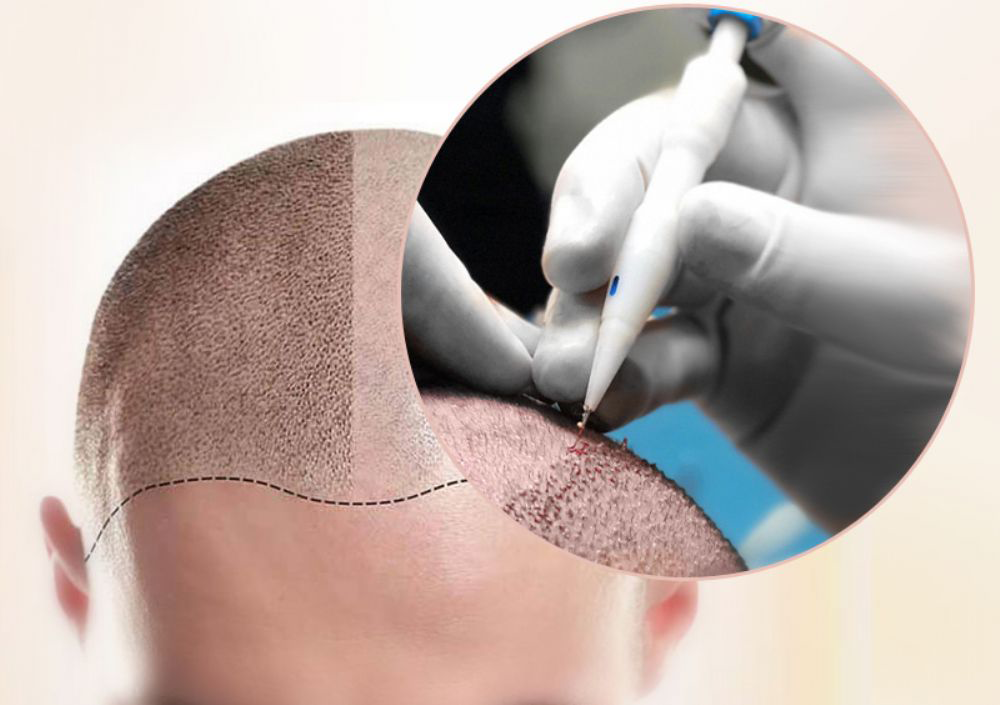
Another popular technique is DHI hair transplant, where hair follicles are implanted directly into the scalp using a special pen-like device. This method doesn’t require the creation of incisions, which means quicker healing and less discomfort. DHI is often preferred by patients looking for a precise, highly controlled placement of each follicle.
FUE vs DHI Hair Transplant: Choosing the Best Technique for Your Hair Restoration
When it comes to hair transplants, the two most popular techniques are FUE (Follicular Unit Extraction) and DHI (Direct Hair Implantation). Both methods are effective for hair restoration, but each has its own advantages and is suited for different types of patients. Below is a detailed comparison to help you understand the differences between these two techniques and decide which one is right for you.
FUE Hair Transplant:
- Process: In FUE, individual hair follicles are extracted from the donor area (usually the back of the head) and transplanted into the thinning or balding areas.
- Minimally Invasive: This technique is minimally invasive, with small, discrete scars that typically heal within a few days.
- Recovery Time: FUE generally offers a shorter recovery time compared to traditional hair transplant methods, with many patients returning to normal activities within a few days.
- Ideal For: FUE is ideal for patients who prefer a natural-looking hairline and are seeking a technique with minimal scarring. It is also beneficial for patients with smaller areas of hair loss.
DHI Hair Transplant:
- Process: DHI involves the direct implantation of hair follicles into the scalp using a special pen-like device. The surgeon doesn’t need to make incisions beforehand, making the process more controlled.
- Precision: The DHI method allows for more precision and control, as each follicle is carefully implanted into the recipient area, ensuring that hair is placed at the correct angle and direction.
- No Need for Incisions: One of the main advantages of DHI is that it does not require incisions in the scalp. This can lead to quicker healing and less discomfort.
- Recovery Time: DHI also boasts a quick recovery time, though some patients may experience slightly longer healing compared to FUE, especially in larger transplant areas.
- Ideal For: DHI is preferred by patients who are looking for greater precision and control over the placement of each follicle. It is also ideal for individuals with significant hair loss who want a fuller, more defined look.
Hair Transplant Cost: How Much Should You Expect to Pay?
The cost of a hair transplant can vary greatly. Several factors affect the price. These include the location of the clinic. The technique used, and the number of grafts required. For example, a hair transplant in Dubai or other UAE cities might cost more. This is due to the advanced technology and the expertise of the surgeons.
On average, the hair transplant cost in Dubai ranges from AED 7,000 to AED 25,000, depending on the size of the procedure and the clinic’s reputation. This cost may increase if you need additional treatments, such as FUE hair transplant for 1500 grafts or even larger treatments like 7000 grafts hair transplant.
The Recovery Process After Hair Transplant Surgery
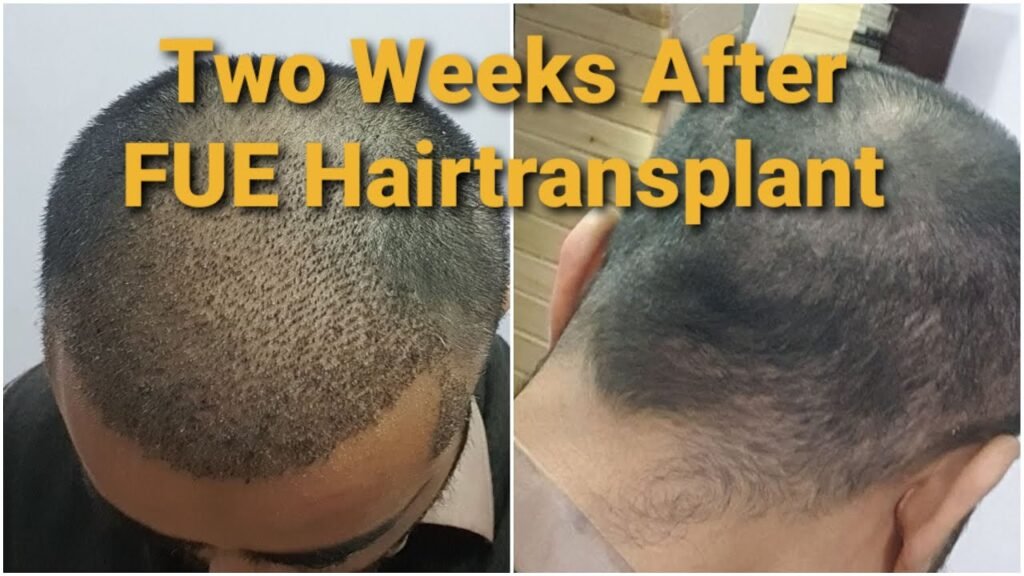
Modern hair transplant techniques like FUE and DHI allow for a quick recovery. Most people can resume their regular activities within just a few days after the procedure. However, recovery time may vary depending on the number of grafts transplanted and how well your body heals.
In the first few days, you may experience mild discomfort, swelling, or redness at the transplant site. It’s important to avoid heavy exercise and protect your scalp from direct sunlight after the procedure. Follow your surgeon’s instructions carefully regarding hair washing and any prescribed medications.
In the first month after the transplant, some shedding is normal. New hair growth typically begins within three to four months, with full results visible after about nine to twelve months.
Hair Transplant Side Effects: What You Should Know
Although hair transplants are generally safe, like any surgical procedure, there are potential risks and side effects. Common side effects include swelling, bruising, and temporary hair loss in the transplanted area. There’s also the risk of infection, but this is rare if proper aftercare is followed.
In some cases, patients may experience hair transplant scars, which are typically small and barely noticeable, especially with FUE. However, it’s crucial to choose a qualified surgeon, like those at Larosh Medical Clinic, to minimize these risks and ensure the best transplant solution for your needs.
Before and After: What Results Can You Expect?
A major advantage of a hair transplant is that the results are permanent. Unlike hairpieces or topical treatments, which only offer temporary solutions, a hair transplant provides a long-lasting remedy for hair loss.
Before-and-after photos of hair transplants can give you a realistic idea of the results to expect. Many patients report significant improvements in hair density and thickness, achieving a natural-looking hairline. However, it’s important to note that hair growth takes time, and full results may take up to a year to fully show.
Choosing the Best Hair Transplant Clinic
If you’re considering a hair transplant in Dubai, Abu Dhabi, or any other region, selecting the right clinic is crucial. When searching for a best hair transplant clinic, factors like surgeon experience, clinic reviews, patient testimonials, and the technology used should be taken into account.
At Larosh Medical Clinic, we pride ourselves on our experienced surgeons and state-of-the-art technology to give you the best results possible. Always ask to see before and after photos of previous patients to ensure the clinic delivers the results you’re hoping for.
Is a Hair Transplant Worth It?
A hair transplant invests in both your appearance and confidence. Although the procedure may cost more upfront compared to other hair restoration treatments, it provides permanent results, and you won’t have to worry about ongoing treatments or hairpieces.
If you’re considering transplant solutions in the UAE or elsewhere, you must weigh the cost against the long-term benefits. When performed correctly, a hair transplant significantly improves not only your hair but also your overall appearance and self-esteem.
Conclusion
If you’re struggling with hair loss or thinning hair, a hair transplant could be the solution you’ve been looking for. With techniques like FUE and DHI, hair restoration has never been more effective. It has become more accessible. Whether you’re exploring options for a beard hair transplant. Or considering a complete hair restoration. The latest techniques can provide you with long-lasting results. They also offer natural-looking outcomes.
Be sure to research your options, choose a trusted clinic like Larosh Medical Clinic, and follow all aftercare instructions for the best results. A hair transplant can improve not only your appearance but also your confidence and outlook.
FAQs
1. What is Hair Transplant Surgery?
Hair transplant surgery involves moving hair follicles from a donor area to areas with thinning or no hair. It’s a permanent solution for hair loss, with techniques like FUE and DHI commonly used.
2. Is Hair Transplant Painful?
The procedure itself is not painful due to local anesthesia, but mild discomfort and swelling can occur post-surgery. Pain is generally manageable with prescribed medication.
3. What is Hair Transplant?
A hair transplant is a procedure where healthy hair follicles are moved from one area to another to restore hair in thinning or bald regions. It offers a permanent solution to hair loss.
4. When Can I Wear a Cap After Hair Transplant?
It is advised to avoid wearing a cap for 7-10 days after a hair transplant to allow the transplanted follicles to settle. This helps prevent damage and ensures proper healing.
5. Is Hair Transplant Permanent?
Yes, a hair transplant is considered permanent because the transplanted follicles are taken from areas that are resistant to hair loss. Once they settle, they continue to grow like natural hair.